Vitamin C for Face: Benefits, How to Use It & Complete Skincare Guide (2026)
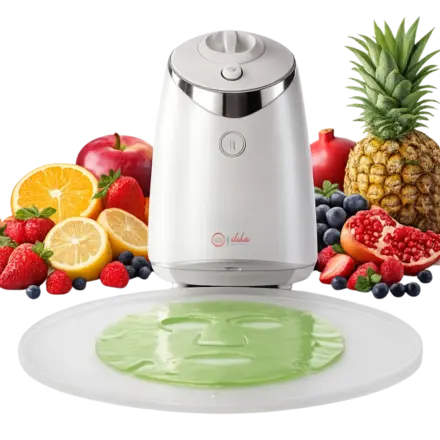
Learn how vitamin C is commonly used in skincare, what ingredients pair well with it, and how fresh fruit masks can complement a broader routine.
Diwali Dhamaka: live prices and free gifts
| Mask maker | Current store price | Free Diwali gift | Availability |
|---|---|---|---|
| Voice Mask Maker | ₹5,999 | 8 collagen peptide tablets FREE | Out of stock |
| Non-Voice Mask Maker | ₹5,499 | 25 g Hydra Gel FREE | Out of stock |
Prices follow the current product and default variant. Check the product page for availability and checkout for your final total.
Vitamin C is one of the most widely used ingredients in modern skincare. It is commonly found in serums, creams, moisturizers, and facial masks because of its role in skincare formulations designed to improve the appearance of dull or uneven-looking skin.
While topical vitamin C products are popular, many people also enjoy using vitamin C-rich fruits such as oranges in homemade face masks as part of their weekly skincare routine.
This guide explains what vitamin C is, how it is commonly used in skincare, and how to include it safely in your routine.
What Is Vitamin C?
Vitamin C, also known as ascorbic acid and its derivatives in skincare formulations, is an ingredient frequently included in products intended to support brighter-looking skin and protect against environmental stressors.
Different skincare products contain different forms and concentrations of vitamin C, so always follow the product instructions.
Why Is Vitamin C Popular in Skincare?
- It is commonly associated with brighter-looking skin.
- It may help improve the appearance of uneven skin tone.
- It complements antioxidant-focused skincare routines.
- It often pairs well with hydrating ingredients.
Results depend on the formulation, frequency of use, and individual skin type.
Foods Naturally Rich in Vitamin C
Oranges, kiwi, strawberries, guava, papaya, bell peppers, and broccoli are all naturally rich in vitamin C. These foods are often included in a balanced diet and may also inspire homemade skincare recipes.
Vitamin C Skincare Routine
Morning: Gentle cleanser, vitamin C serum if part of your routine, moisturizer, and broad-spectrum sunscreen.
Evening: Cleanser, moisturizer, and an optional hydrating mask.
Always introduce new skincare products gradually.
DIY Vitamin C-Inspired Face Masks
- Orange & Honey Mask as a popular combination for home skincare.
- Strawberry & Yogurt Mask often chosen for a refreshing feel.
- Kiwi & Aloe Vera Mask as a lightweight homemade recipe.
These homemade masks should not be considered equivalent to professionally formulated vitamin C skincare products.
Using the Ilika Voice Face Mask Maker
If you enjoy making fresh face masks, the Ilika Voice Face Mask Maker allows you to prepare gel masks using compatible ingredients and the collagen peptide sachets supplied with the product.
You can use compatible fruit extracts, such as orange or strawberry, according to the product instructions to create customized homemade masks as part of your weekly skincare routine.
Ingredients That Pair Well with Vitamin C
- Hyaluronic Acid: Commonly used for hydration.
- Aloe Vera: Often included in soothing and moisturizing routines.
- Honey: Commonly used for moisture retention.
- Niacinamide: May be used in some routines depending on product guidance.
- Green Tea: Often included in antioxidant-focused skincare.
- Glycerin: Frequently used for hydration.
Common Mistakes
- Applying too many new active ingredients at once
- Skipping sunscreen during the day
- Using expired vitamin C products
- Expecting immediate or permanent results
- Replacing a complete skincare routine with homemade masks alone
Frequently Asked Questions
Can I use vitamin C every day?
Many people include vitamin C products in their daily skincare routine. Follow the instructions provided with the specific product and introduce new products gradually.
Can I use oranges instead of a vitamin C serum?
Homemade orange-based masks and vitamin C serums are not the same. Serums are specifically formulated for topical skincare, while fruit-based masks are generally used as a complementary self-care step.
Should I use sunscreen with vitamin C?
If you use vitamin C in your morning routine, sunscreen is commonly recommended as the final daytime step to help protect your skin from UV exposure.
Can I prepare a fruit-based face mask with the Ilika Voice Face Mask Maker?
If the ingredients are compatible with the manufacturer's instructions, you can prepare fresh gel masks using suitable fruit extracts and the supplied collagen peptide sachets.
Conclusion
Vitamin C remains one of the most widely discussed ingredients in skincare because of its role in routines focused on brighter-looking, healthy-looking skin. Whether you choose a professionally formulated vitamin C product or enjoy creating fresh fruit-based face masks as part of your weekly routine, consistency and sun protection are key.
For those who enjoy DIY skincare, the Ilika Voice Face Mask Maker provides a convenient way to prepare fresh gel masks using compatible ingredients, making it easy to include customized masks in a balanced skincare routine.
Disclaimer
The information in this article is for educational purposes only and is not intended as medical advice. Results from skincare routines vary between individuals. If you have persistent skin concerns or a medical condition, consult a qualified dermatologist before trying new skincare products or ingredients.
Patch test new ingredients before use, and remember that homemade masks are best used as part of a broader skincare routine rather than as a replacement for regular skin care or professional advice.
Read Vitamin C for Face: Benefits, How to Use It & Complete Skincare Guide (2026)