How Often Should You Use a Face Mask? Complete Guide by Skin Type (2026)
Learn how often to use different types of face masks based on skin type, product type, and how homemade masks can fit into a weekly skincare routine.
Diwali Dhamaka: live prices and free gifts
| Mask maker | Current store price | Free Diwali gift | Availability |
|---|---|---|---|
| Voice Mask Maker | ₹5,999 | 8 collagen peptide tablets FREE | Out of stock |
| Non-Voice Mask Maker | ₹5,499 | 25 g Hydra Gel FREE | Out of stock |
Prices follow the current product and default variant. Check the product page for availability and checkout for your final total.
Face masks are one of the most enjoyable parts of a skincare routine, but many people wonder how often they should use one. The answer is not the same for everyone. It depends on your skin type, the type of mask you are using, and the rest of your skincare routine.
Using a face mask too often may not provide additional benefits and could irritate some skin types. On the other hand, using one too infrequently may mean missing out on the relaxing and hydrating experience that face masks can offer.
This guide explains how to choose a routine that suits your skin.
Why Face Mask Frequency Matters
Face masks can complement a skincare routine by providing hydration, helping remove excess oil, or offering a relaxing self-care experience. The ideal frequency depends on the type of mask and your individual skin needs.
How Often to Use Different Types of Face Masks
- Hydrating Mask: Often 1 to 3 times per week, depending on product instructions.
- Sheet Mask: Commonly used 1 to 3 times per week.
- Clay Mask: About once a week for many people.
- Homemade Face Mask: Often about once a week, depending on ingredients.
- Collagen Mask: Follow the product instructions.
- Overnight Mask: Use as directed by the product.
Face Mask Routine by Skin Type
Dry Skin: Many people focus on hydrating masks with ingredients such as aloe vera or honey once or twice a week, depending on their routine.
Oily Skin: Some people prefer clay masks occasionally to help remove excess oil from the skin's surface while still using lightweight moisturizers.
Combination Skin: A balanced routine may alternate between hydrating and oil-control masks depending on different areas of the face.
Sensitive Skin: Choose gentle formulations and introduce new masks gradually. Patch testing is recommended before trying new ingredients or products.
Signs You May Be Using Face Masks Too Often
- Temporary dryness
- Skin feeling tight
- Irritation
- Increased sensitivity
If this happens, simplify your routine and allow your skin to recover before introducing products again.
Signs Your Routine May Need Adjustment
- You are not cleansing before applying masks.
- You frequently change products.
- You skip moisturizing after masks.
- You are unsure whether products suit your skin type.
If concerns persist, consult a qualified dermatologist.
Weekly Face Mask Schedule
Monday: Gentle cleanse and moisturizer
Tuesday: Hydrating mask
Wednesday: Regular skincare routine
Thursday: Homemade face mask
Friday: Moisturizer and sunscreen
Saturday: Home facial
Sunday: Rest day
Homemade Face Masks as Part of a Routine
Many people enjoy preparing fresh face masks using ingredients such as aloe vera, honey, cucumber, yogurt, oats, and green tea.
Fresh masks can be a relaxing part of a weekly skincare ritual.
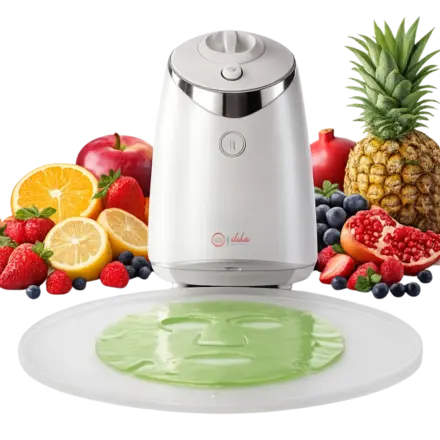
If you regularly prepare homemade masks, the Ilika Voice Face Mask Maker can help create fresh gel masks using compatible ingredients and the collagen peptide sachets supplied with the product.
Common Mistakes
- Using multiple masks in one session without understanding how they interact
- Leaving masks on longer than recommended
- Skipping sunscreen during daytime routines
- Using expired products
- Applying masks to unclean skin
Frequently Asked Questions
Can I use a face mask every day?
Some face masks are designed for more frequent use, while others are intended for weekly use. Always follow the product instructions.
Can I use a homemade face mask every week?
Many people include homemade masks in their weekly skincare routine, provided the ingredients suit their skin.
Should I moisturize after a face mask?
Many skincare routines include moisturizer after using a face mask to help reduce moisture loss.
Is it okay to use two different face masks?
Some people use different masks on different days or apply different masks to different areas of the face, often called multi-masking. Introduce new products gradually and follow product guidance.
Conclusion
There is no single face mask schedule that works for everyone. The right frequency depends on your skin type, the type of mask, and your overall skincare routine. A consistent routine that includes cleansing, moisturizing, sun protection, and occasional face masks is often more beneficial than using masks too frequently.
For those who enjoy creating personalized masks, the Ilika Voice Face Mask Maker provides a convenient way to prepare fresh gel masks using compatible ingredients, making homemade skincare easier to include in a weekly routine.
Disclaimer
The information in this article is for educational purposes only and is not intended as medical advice. Results from skincare routines vary between individuals. If you have persistent skin concerns or a medical condition, consult a qualified dermatologist before trying new skincare products or ingredients.
Patch test new ingredients before use, and remember that homemade masks are best used as part of a broader skincare routine rather than as a replacement for regular skin care or professional advice.
Read How Often Should You Use a Face Mask? Complete Guide by Skin Type (2026)