Home Facial Guide: How to Get Salon-Quality Glowing Skin Naturally (2026)
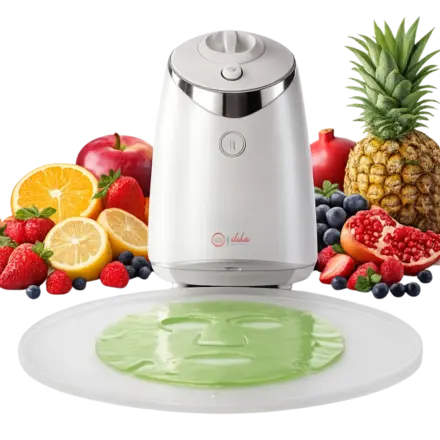
Learn a step-by-step home facial routine with cleansing, exfoliation, hydration, fresh face masks, and where the Ilika Voice Face Mask Maker can fit into a weekly skincare routine.
Diwali Dhamaka: live prices and free gifts
| Mask maker | Current store price | Free Diwali gift | Availability |
|---|---|---|---|
| Voice Mask Maker | ₹5,999 | 8 collagen peptide tablets FREE | Out of stock |
| Non-Voice Mask Maker | ₹5,499 | 25 g Hydra Gel FREE | Out of stock |
Prices follow the current product and default variant. Check the product page for availability and checkout for your final total.
A professional facial can leave your skin feeling refreshed and hydrated, but you do not always need to visit a salon to enjoy a relaxing skincare session. With the right products, techniques, and consistency, you can create a home facial routine that complements your everyday skincare.
A complete facial is more than applying a face mask. It includes cleansing, gentle exfoliation, hydration, moisturizing, and daily sun protection. Homemade face masks can also be included as an optional step for those who enjoy creating personalized skincare treatments.
This guide explains each step and how you can safely build a routine that suits your skin type.
What Is a Home Facial?
A home facial is a series of skincare steps performed at home to cleanse, refresh, and hydrate the skin. A typical routine may include cleansing, exfoliation, optional steaming, a face mask, serum, moisturizer, and sunscreen for daytime use.
Benefits of a Home Facial
- Encourage a consistent self-care routine
- Help remove surface dirt and excess oil
- Improve the appearance of dry or dull-looking skin through hydration
- Provide a relaxing spa-like experience
- Allow skincare to be personalized based on skin type
Individual results vary, and a home facial should be viewed as part of a broader skincare routine rather than a quick fix.
Step-by-Step Routine
Step 1: Cleanse Your Skin
Start by washing your face with a gentle cleanser suited to your skin type.
Step 2: Gentle Exfoliation
Exfoliate one to two times per week, avoid harsh scrubbing, and stop if irritation occurs.
Step 3: Facial Steam (Optional)
Some people enjoy steaming the face for a few minutes before applying a mask, but it may not be suitable for everyone.
Step 4: Apply a Fresh Face Mask
Many homemade recipes use ingredients such as aloe vera, honey, cucumber, yogurt, oats, green tea, and orange juice. If you enjoy preparing fresh masks regularly, the Ilika Voice Face Mask Maker can help create smooth gel masks using compatible ingredients.
Step 5: Massage (Optional)
Use light pressure and avoid pulling or stretching the skin.
Step 6: Apply a Serum
Common ingredients include vitamin C for brightening routines, niacinamide for improving the appearance of uneven skin tone, and hyaluronic acid for hydration.
Step 7: Moisturize
Finish your routine with a moisturizer suitable for your skin type.
Step 8: Sunscreen
If you perform your facial in the morning, finish with a broad-spectrum sunscreen SPF 30 or higher.
Home Facial Routine by Skin Type
Dry Skin: focus on hydration with honey, aloe vera, avocado, and milk.
Oily Skin: choose lightweight ingredients such as green tea, cucumber, and aloe vera.
Combination Skin: balance hydration with rose water, yogurt, and cucumber.
Sensitive Skin: keep the routine simple and patch test aloe vera, oats, and chamomile.
DIY Face Mask Ideas
Hydrating Mask: aloe vera and honey.
Refreshing Mask: cucumber and green tea.
Brightening-Inspired Mask: orange juice and honey.
Nourishing Mask: avocado and milk.
Common Mistakes to Avoid
- Over-exfoliating
- Using too many active products at once
- Skipping sunscreen
- Leaving masks on longer than recommended
- Not patch testing new ingredients
- Going to bed with makeup on
Weekly Home Facial Schedule
Monday: Cleanse and moisturize
Tuesday: Hydrating serum
Wednesday: Fresh face mask
Thursday: Gentle exfoliation
Friday: Moisturizer and sunscreen
Saturday: Full home facial
Sunday: Recovery and hydration
How the Ilika Voice Face Mask Maker Fits Into Your Routine
For those who enjoy preparing fresh face masks, the Ilika Voice Face Mask Maker offers a convenient way to create gel masks using compatible ingredients. It is designed to complement a regular skincare routine rather than replace essential skincare steps.
Frequently Asked Questions
How often should I do a home facial?
Many people perform a home facial once every one to two weeks, depending on their skin type and routine.
Can I use homemade face masks every day?
The ideal frequency depends on the ingredients used and your skin type.
Is steaming necessary?
No. Steaming is optional and may not be suitable for everyone.
Can men do home facials?
Yes. Skincare routines can be adapted for anyone.
Do I need a face mask machine?
No, but a face mask machine can make preparing fresh gel masks more convenient and consistent.
Conclusion
A home facial is a relaxing way to support your skincare routine while taking time for self-care. By combining cleansing, hydration, gentle exfoliation, and occasional fresh face masks, you can build a routine tailored to your skin's needs.
If you enjoy creating homemade masks, the Ilika Voice Face Mask Maker provides a practical way to prepare fresh gel masks using compatible ingredients, making it easier to incorporate customized masks into your weekly skincare routine.
Disclaimer
The information in this article is for educational purposes only and is not intended as medical advice. Results from skincare routines vary between individuals. If you have persistent skin concerns or a medical condition, consult a qualified dermatologist before trying new skincare products or ingredients.
Patch test new ingredients before use, and remember that homemade masks are best used as part of a broader skincare routine rather than as a replacement for regular skin care or professional advice.
Read Home Facial Guide: How to Get Salon-Quality Glowing Skin Naturally (2026)