Best Ingredients for Homemade Face Masks: A Complete Guide to Safe DIY Skincare (2026)
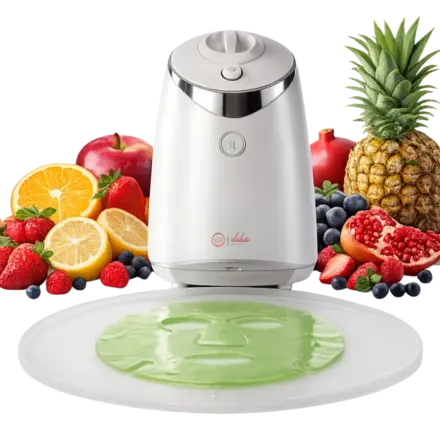
Discover commonly used ingredients for homemade face masks, practical safety tips, and how to choose suitable combinations for a DIY skincare routine.
Homemade face masks have become a popular part of many skincare routines because they allow people to prepare fresh masks using ingredients they already know and enjoy. Whether you are planning a relaxing home facial or experimenting with DIY skincare, choosing suitable ingredients is essential.
Not every kitchen ingredient is appropriate for facial use, and even natural ingredients may cause irritation for some people. This guide introduces commonly used ingredients, explains their general characteristics, and shares practical safety tips for preparing homemade face masks.
Why Ingredient Selection Matters
The ingredients you choose influence the texture, consistency, and overall experience of a homemade face mask. Fresh, clean, and compatible ingredients are generally preferred for DIY skincare.
Before trying any new ingredient, patch test on a small area of skin, avoid ingredients if you know you are allergic to them, stop using the mask if irritation occurs, and follow a complete skincare routine that includes cleansing, moisturizing, and sun protection.
Commonly Used Ingredients
- Aloe Vera: Often included with honey, cucumber, green tea, or oats.
- Honey: Frequently mixed with yogurt, oats, aloe vera, or banana.
- Cucumber: Commonly paired with aloe vera, yogurt, rose water, or green tea.
- Plain Yogurt: Often mixed with honey, oats, cucumber, or banana.
- Oats: Frequently blended with honey, yogurt, or aloe vera.
- Green Tea: Often combined with aloe vera, honey, or cucumber.
- Banana: Frequently paired with yogurt, honey, or oats.
- Avocado: Commonly used with honey, yogurt, or aloe vera.
- Rose Water: Use cosmetic-grade products intended for skincare.
- Papaya: Patch testing is especially important before using fruit-based recipes.
Ingredients to Use Carefully
Some ingredients may not be suitable for everyone, including lemon juice, cinnamon, baking soda, and undiluted essential oils. These ingredients may increase the risk of irritation or sensitivity, especially on delicate facial skin.
If you choose to use them, research carefully and patch test first.
Tips for Preparing Homemade Face Masks
- Wash all fruits and vegetables thoroughly.
- Use clean utensils and bowls.
- Prepare masks fresh whenever possible.
- Do not use spoiled ingredients.
- Follow recipe instructions carefully.
- Avoid mixing too many ingredients together.
Creating Fresh Gel Masks at Home
If you regularly prepare homemade masks, using a dedicated face mask machine can help create a smoother gel consistency.
The Ilika Voice Face Mask Maker is designed to prepare fresh gel masks using compatible ingredients together with the collagen peptide sachets supplied with the product.
It can be incorporated into a regular home skincare routine while following the manufacturer's instructions.
Frequently Asked Questions
Which ingredient is most popular for homemade face masks?
Aloe vera, honey, cucumber, yogurt, and oats are among the most commonly used ingredients in DIY skincare recipes.
Can I mix several ingredients together?
Simple recipes with a few compatible ingredients are often easier to prepare and evaluate. Avoid combining many new ingredients at once.
Are natural ingredients always safe?
No. Natural ingredients can still cause irritation or allergic reactions. Patch testing is recommended before applying any new ingredient to your face.
Can I prepare these masks with the Ilika Voice Face Mask Maker?
Yes, provided the ingredients are compatible with the device and you follow the manufacturer's instructions.
Conclusion
Choosing suitable ingredients is an important part of preparing homemade face masks. Fresh, clean ingredients, good hygiene practices, and a consistent skincare routine can help you enjoy DIY skincare safely.
For people who enjoy preparing personalized gel masks, the Ilika Voice Face Mask Maker offers a convenient way to create fresh masks using compatible ingredients and the supplied collagen peptide sachets as part of a regular home skincare routine.
Disclaimer
The information in this article is for educational purposes only and is not intended as medical advice. Results from skincare routines vary between individuals. If you have persistent skin concerns or a medical condition, consult a qualified dermatologist before trying new skincare products or ingredients.
Patch test new ingredients before use, and remember that homemade masks are best used as part of a broader skincare routine rather than as a replacement for regular skin care or professional advice.
Read Best Ingredients for Homemade Face Masks: A Complete Guide to Safe DIY Skincare (2026)